
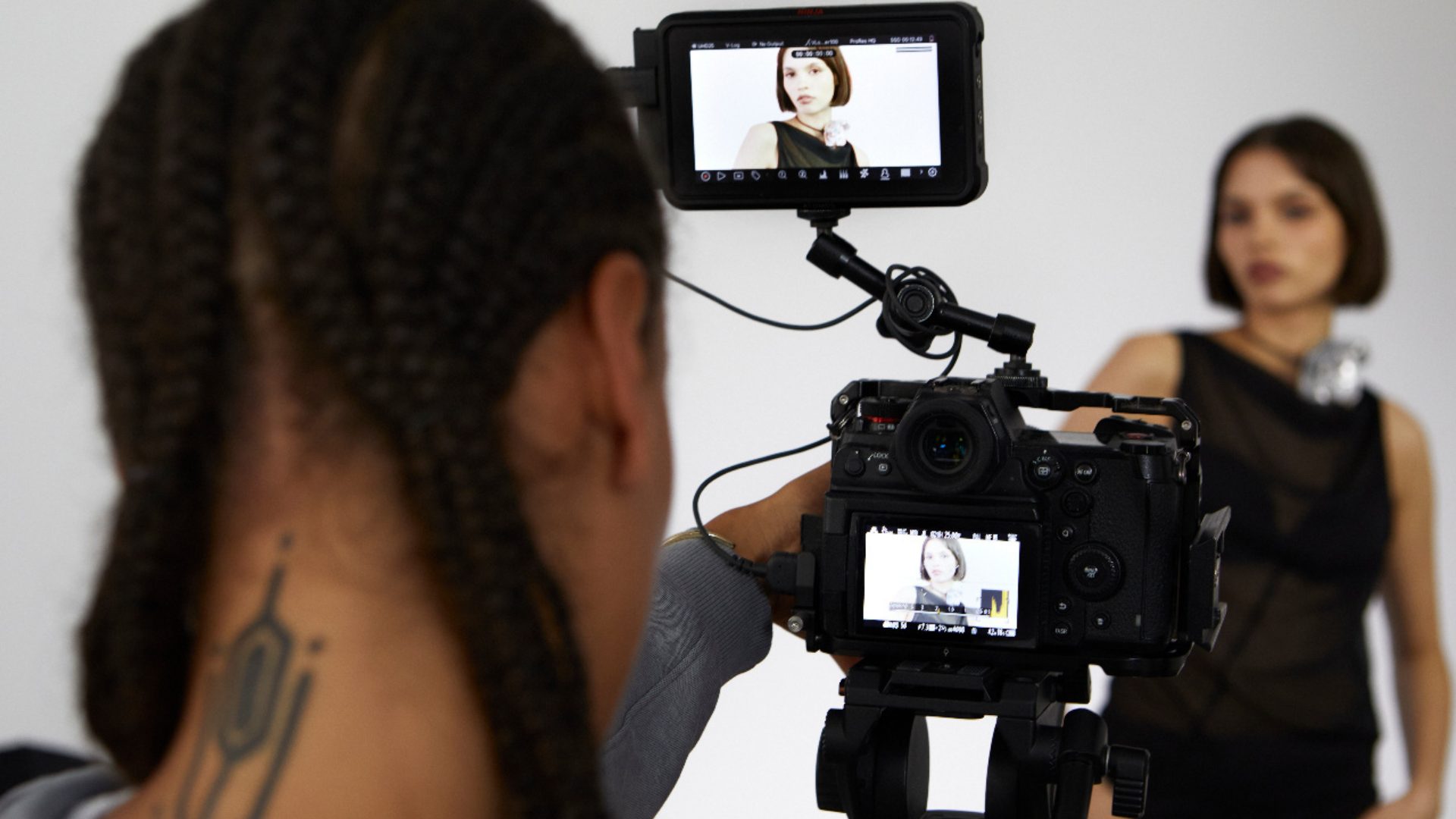
Scroll through any brand’s social feed today and the split is obvious: the accounts still leaning on static images and copy get scrolled past fast, and the ones building around video don’t. We see this pattern with almost every client who makes the switch.
Video isn’t a nice-to-have bolted onto a strategy anymore – it’s how most audiences choose to discover, evaluate and remember brands online, and treating it as an occasional afterthought means missing the format people actually want.
People Are Watching, Not Reading
Across every major platform, video is what gets served first and engaged with most. Feeds are built around it, algorithms favour it, and audiences have simply adjusted their habits to match – scrolling past static posts far faster than they’ll sit through even a few seconds of video that catches their attention. Wyzowl’s State of Video Marketing report, now in its twelfth year, puts it plainly: 91% of businesses currently use video as a marketing tool, and short-form video under 60 seconds gets around 2.5x more engagement per impression than any other content type.
It Builds Trust Faster Than Any Other Format
Seeing a real person, product, or space in motion tells an audience more in ten seconds than a paragraph of copy could in a minute. Video shows rather than tells – how a product actually works, what a space actually feels like, who’s actually behind the brand. That kind of proof is hard to fake and easy to trust.
It Doesn’t Have to Mean a Big Budget
This is where most businesses hesitate – video sounds expensive and complicated compared to a quick photo or graphic. In reality, short-form content built for reels and shorts can be planned, filmed, and edited efficiently, especially with a clear plan going in. A single well-planned shoot day can produce weeks of usable content across formats.
Where Video Earns Its Place in Your Strategy
Social Content
Reels and shorts are built for the way people actually scroll – quick, visual, and designed to stop the thumb.
Product and Service Demonstrations
Showing something in use answers more objections than describing it ever will.
Brand Storytelling
Aerial and ground footage of your space, your team, or your process gives a brand presence and personality that text can’t.
Campaign Support
Motion graphics and edited video give paid and organic campaigns a format that consistently outperforms static creative.
Planning Makes the Difference
The businesses that get the most from video aren’t necessarily spending the most – they’re the ones who storyboard first, know what they’re trying to say, and plan a shoot around getting multiple pieces of content from a single session, rather than filming without a clear end goal.
—
Video isn’t a trend to react to later – it’s already how most people are choosing to engage with brands. Building it into your strategy now means you’re not playing catch-up later.
Not sure whether photography or video is the right starting point? We break that down in Photography vs Videography: What Does Your Brand Actually Need?
Want to talk through what video could look like for your brand? Get in touch with Dash to discuss your project.